Upcycled Wooden Pallet Vertical Garden for Small Balconies
Transform a discarded wooden pallet into a lush vertical garden that fits perfectly on your small balcony. This step-by-step guide shows you how to upcycle with minimal tools and cost.
Why a Pallet Vertical Garden is Perfect for Your Balcony
When every square foot counts, thinking upward instead of outward transforms a cramped balcony into a thriving garden. A wooden pallet turned vertically is one of the smartest, simplest solutions—it uses almost zero floor space while giving you room for dozens of plants. Herbs like basil and mint, compact greens such as lettuce and spinach, and trailing flowers all thrive in this setup. The slatted design naturally creates planting pockets, so you don’t need complicated shelving or expensive containers.
Cost is often a barrier for new gardeners, but pallets are widely available for free or very little. Many businesses give them away, and a quick online search or a friendly ask at a local hardware store can get you started. With basic tools, some landscape fabric, and potting mix, you have everything needed—often for under twenty dollars. This makes it a low-risk project where you can experiment without guilt.
Choosing an upcycled pallet also means diverting wood from the waste stream. Instead of buying new plastic planters with a heavy carbon footprint, you’re repurposing something already in circulation. It’s a tangible way to make your gardening habits more sustainable. Plus, the natural wood texture adds warmth and character that store-bought systems rarely match.
A pallet garden quickly becomes a lush focal point. The vertical arrangement draws the eye upward, making the balcony feel larger and more alive. Even a single sunny wall covered in greenery softens hard urban surroundings and creates a private, calming retreat. For renters, the best part is that it’s portable—lean it securely against a wall or fasten it lightly without causing damage, then take it with you when you move.
How to Find and Select a Safe Pallet
Finding a free wooden pallet is easier than you might think, but safety comes first. Start by checking neighborhood hardware stores, garden centers, or local warehouses—they often have stacks of pallets destined for recycling. Many shop owners are happy to give them away if you ask politely. Online marketplaces like Craigslist, Facebook Marketplace, or Freecycle are also goldmines; search for “free pallets” and you'll likely find several options nearby.
Before hauling one home, flip it over and look for the IPPC stamp. This internationally recognized mark tells you how the wood was treated. You want a pallet stamped with “HT,” which means it was heat-treated—safe, chemical-free, and perfect for your garden. If you see “MB,” that stands for methyl bromide, a toxic pesticide. Avoid any pallet with an MB stamp, no stamp at all, or unclear markings. When in doubt, leave it behind.
Once you've found an HT pallet, give it a thorough visual inspection. Check for cracks, broken boards, or protruding nails that could compromise its structure. Run your hand carefully along the wood to feel for deep splinters or rough patches. Stains are red flags—dark spots might be harmless water marks, but oily or chemical-looking stains could mean spills that are unsafe for plants and people. Also, sniff the pallet; if it has a strong chemical odor, don't use it.
After passing the inspection, clean the pallet thoroughly. Scrub it with a stiff brush and soapy water to remove dirt and grime, then rinse with a hose and let it dry completely in the sun. Lightly sand any rough areas to prevent splinters while you work and to create a better surface for painting or sealing later. A little prep now ensures your upcycled garden is both beautiful and safe.
Tools and Materials You'll Need
Before you start building your vertical garden, take a few minutes to round up everything you’ll need. Having supplies on hand makes the project smoother and more enjoyable. Here’s your checklist:
Tools
- Saw – only if you need to trim your pallet to size; many pallets work as-is.
- Hammer and nails or a drill and wood screws – for reinforcing the pallet if needed.
- Staple gun – to attach landscape fabric securely.
- Sandpaper – to smooth any rough edges and prevent splinters.
- Drill with a screwdriver bit – for assembly and optional hardware.
Materials
- Landscape fabric – breathable but tough, it holds soil in while letting water drain.
- Staples – heavy-duty staples that fit your staple gun.
- Wood screws – for attaching mounting brackets or casters.
- Paint or sealant (optional) – a non-toxic option if you want to add color or protect the wood.
Planting Supplies
- Potting soil mixed with compost – about one large bag per pallet, depending on size; look for a lightweight container mix to keep your balcony load-friendly.
- Your favorite plants – choose compact herbs, leafy greens, or trailing flowers.
Optional Extras
- Casters – four locking swivel casters turn your garden into a mobile unit, perfect for chasing sun or tucking away.
- Wall-mounting brackets – if you plan to hang the pallet securely on a wall or railing.
Gather these items, and you’ll be ready to transform a humble pallet into a lush, space-saving garden. Remember, you don’t need everything at once; many optional pieces can be added later. Now, let’s get building!
Step-by-Step: Building Your Pallet Planter
Now comes the exciting part – turning your prepared pallet into a thriving vertical garden. Take your time with each step, and remember there’s no single right way; adapt based on your pallet type and the plants you’ve chosen.
1. Decide on pocket depth. If your pallet has middle slats and you’d like deeper planting pockets, carefully remove those extra boards using a hammer and pry bar. Deeper pockets suit herbs like basil or small flowers, while leaving all slats in place is perfect for shallow-rooted succulents or trailing plants.
2. Prep the wood. Sand every surface with medium-grit sandpaper – pay extra attention to edges and corners to remove splinters. Wipe off dust with a damp cloth. For extra durability and safety, especially if your pallet will be exposed to rain, apply a non-toxic, water-based wood sealant or a plant-safe outdoor stain. Let it dry completely before moving on.
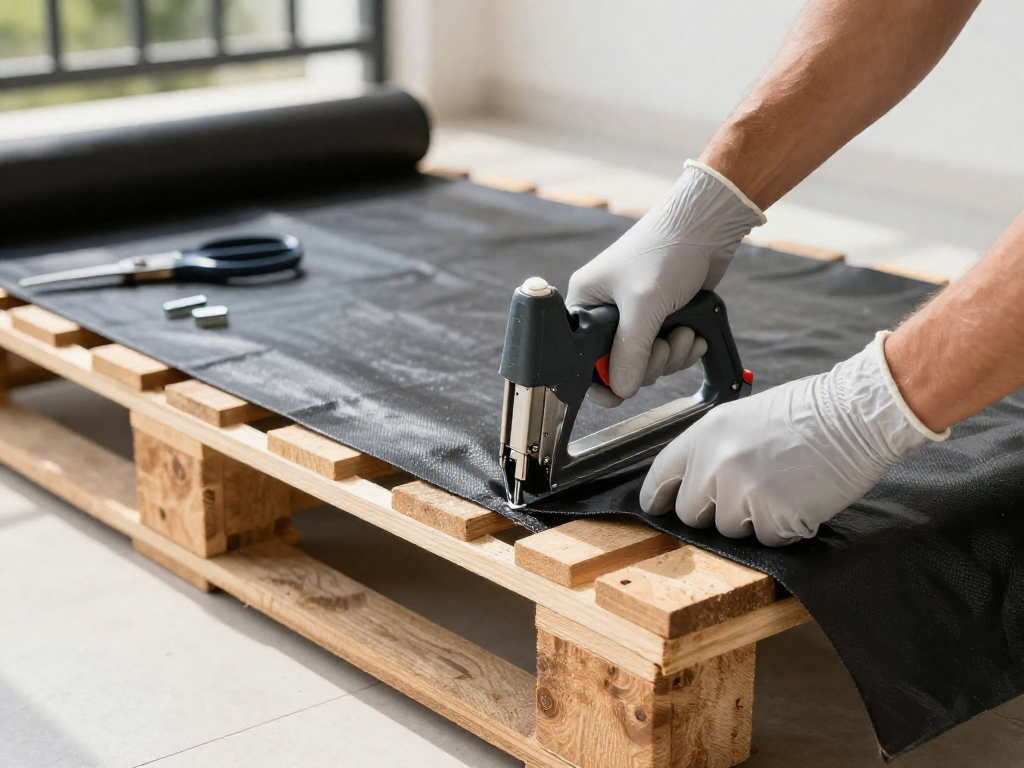
3. Create the fabric pockets. Cut a piece of landscape fabric large enough to cover the back, bottom, and sides of the pallet, with a few extra inches to fold over the edges. Starting at the top, staple the fabric securely to the inside back of the pallet, then move to the sides, letting the fabric drape down to form a trough in each opening. Pull the fabric snug but not tight – you want a nice pouch that can hold soil. For the front, you can either leave it open or add an extra fabric flap, depending on how your pallet is constructed. Staple every few inches with heavy-duty staples.
4. Secure the bottom. If your pallet has a bottom slat, you can simply staple fabric across it. Otherwise, cut a piece of wood or a sturdy plastic panel to size and attach it with screws, or stretch the landscape fabric taut and staple it to create a floor. This step is crucial to keep your potting mix from falling out.
5. Fill with soil. Use a high-quality, well-draining potting mix, ideally one formulated for containers. Moisten it slightly before filling to reduce dust and make it easier to work with. Scoop soil into each pocket, gently tamping it down with your fingers to eliminate air gaps, but don’t pack it too tightly – roots need room to breathe. Leave about an inch of space at the top of each pocket so water doesn’t overflow.
6. Add mobility or mount it. For a freestanding garden, screw four locking casters to the bottom of the pallet so you can move it to catch the sun or create more space. If wall-mounting, use heavy-duty L-brackets and anchors appropriate for your balcony surface. Always check with your landlord if drilling is permitted, and ensure the wall can support the weight of the planted pallet.
What to Plant in Your Vertical Pallet Garden
Choosing the right plants makes all the difference in a vertical pallet garden. Because the planting pockets are relatively shallow, you’ll want to stick with compact varieties that thrive in confined root spaces. Here are top picks that will flourish on your balcony.
Herbs for Flavor and Fragrance
Herbs are the stars of small-space gardening. Go for compact, culinary favorites that you can snip for cooking:
- Basil – Choose bush or globe varieties; they stay tidy and produce loads of leaves.
- Mint – Keep it contained! Mint spreads aggressively, but in a pallet pocket it behaves. Peppermint and spearmint are great for teas and cocktails.
- Thyme – Creeping or lemon thyme drapes beautifully over the edge and releases a lovely scent when touched.
- Oregano – Greek oregano offers intense flavor and a cascading habit.
These herbs love sun, so position your pallet accordingly. Water when the top inch of soil feels dry, as the shallower pockets dry out faster than ground soil.
Leafy Greens for Quick Harvests
If you’re dreaming of fresh salads, leafy greens are a must. They grow fast, don’t need deep soil, and you can harvest them as cut-and-come-again:
- Lettuce – Loose-leaf types like ‘Black Seeded Simpson’ or oakleaf varieties are perfect.
- Spinach – Choose baby-leaf cultivars that stay compact.
- Arugula – Its peppery leaves add zip to any dish and it thrives in partial shade, making it ideal if your balcony gets dappled light.
Sow seeds directly into the pockets after the last frost, and keep the soil consistently moist. You can start harvesting in as little as 30 days.
Trailing Flowers for a Cascade of Color
To soften the wooden look and add a romantic feel, plant trailing flowers. They’ll spill over the sides, creating a living tapestry:
- Petunias – Wave or multiflora types bloom nonstop in full sun. Choose bright pinks, purples, or whites.
- Lobelia – Its tiny true-blue flowers thrive in cooler weather and partial shade.
- Nasturtiums – These low-maintenance beauties offer cheerful blooms and edible leaves with a peppery kick. They drape gracefully and attract pollinators.
Mix and match colors for a vibrant display. Pinch back spent flowers to encourage more blooms.
Succulents for Low-Maintenance Wow
If you’re forgetful with watering or your balcony bakes in afternoon sun, succulents are your best friends. Their shallow roots and drought tolerance make them a natural fit:
- Sedums – Creeping varieties like ‘Angelina’ or ‘Lemon Coral’ form dense mats.
- Sempervivums (hens and chicks) – Rosette-shaped and nearly indestructible.
- Echeveria – Their geometric shapes add a modern look.
Use a well-draining cactus mix in the pockets and water sparingly—only when the soil is bone dry.
What to Avoid
Not every plant is suited to vertical pallet life. Steer clear of:
- Heavy root vegetables like carrots, potatoes, or beets. They need deep, loose soil and won’t develop properly in shallow pockets.
- Tall, brittle plants such as sunflowers or corn, which can snap in the wind and require more root space.
- Plants that demand constant moisture, as the pallet dries out faster than in-ground beds.
Quick Planting Tips
- Soil depth: Ensure each pocket has at least 4–6 inches of good-quality potting mix. Amend with compost for herbs and greens.
- Sunlight: Group sun-loving plants like herbs and petunias together, and shade-tolerant ones like arugula and lobelia in shadier spots.
- Watering: Check moisture daily, especially in hot weather. A self-watering system or drip line can be a game-changer if you’re often away.
- Fertilizing: Feed with a diluted liquid fertilizer every two weeks during the growing season; herbs and succulents need less.
With these choices, your vertical pallet garden will be both productive and stunning—a true urban oasis.
Care and Maintenance on a Balcony
Keeping your upcycled pallet vertical garden happy and healthy on a balcony is simple once you build a quick-care routine. Because vertical planters are exposed to more airflow and often less soil volume, they tend to dry out faster than traditional pots. Make it a habit to check the soil moisture every day—just poke your finger into the pocket about an inch deep. If it feels dry, it’s time to water. A watering can with a long, slender spout is your best friend here; it lets you reach the upper levels without straining and delivers water gently exactly where it’s needed without drenching the leaves.
Since you’re frequently watering, nutrients will wash through the soil more quickly. Feed your plants with a balanced liquid fertilizer diluted to half strength every two weeks during the growing season. This steady supply keeps herbs leafy, flowers blooming, and greens productive. Pause fertilizing in the winter or whenever growth naturally slows.
Sunlight on a balcony can shift with the seasons and surrounding buildings. Most popular herbs like basil, rosemary, and thyme, as well as flowering plants like petunias or marigolds, crave at least six hours of direct sun. Position your pallet against the brightest wall or railing. If your balcony gets only dappled light, opt for shade-tolerant edibles like lettuce, spinach, mint, or parsley—they’ll flourish with just a few hours of morning sun or bright indirect light.
Balcony gardens aren’t immune to pests, but you can handle them without harsh chemicals. Keep a spray bottle of diluted neem oil ready for aphids or spider mites. Check the undersides of leaves weekly, and sprinkle crushed eggshells or diatomaceous earth around the base if snails or slugs show up after rain. A healthy, well-watered and properly fed plant is your strongest line of defense.
Finally, embrace seasonal refreshes to keep the display dynamic and productive year-round. When cool-season crops like arugula or pansies fade as temperatures rise, swap them with heat-loving basil or compact peppers. In fall, tuck in ornamental kale or cold-tolerant cilantro. Rotating plants not only extends your harvest but also gives you a creative excuse to try new colors and textures every few months. With just a little daily attention, your pallet garden will reward you with beauty and fresh flavors all year long.
Creative Styling and Customization Ideas
Your pallet vertical garden not only brings life to your balcony but also acts as a canvas for personal expression. With a few simple touches, you can turn a practical planter into a standout design feature that reflects your style.
Start with color. A coat of outdoor paint can completely transform the look of the wood. Choose a bold, cheerful hue like sunny yellow or teal to match your balcony cushions, or go for a soft pastel for a more understated vibe. Sand the pallet lightly before painting, and use exterior-grade paint to withstand the elements. Even a whitewash or natural wood stain can highlight the grain while protecting the surface.
Next, think about labeling. Clear, charming labels help you identify your herbs and greens at a glance—and they look adorable. Chalkboard paint is perfect for creating reusable tags: simply paint a small patch on each planting slot, or attach miniature chalkboard signs with twine. You can update them as you swap out plants, and the hand-lettered look adds a personal, rustic touch.
As the sun sets, bring your garden to life with solar-powered fairy lights or small stake lights wedged between the slats. These add a warm glow and extend your enjoyment into the evening. Look for weatherproof, string-style solar lights that can be woven through the pallet's openings. They charge during the day and automatically illuminate at dusk, creating a cozy ambiance without any wiring.
Finally, consider mixing in other upcycled treasures. Mason jars wired or clamped to the pallet can hold small bouquets or propagate cuttings. Old tin cans painted in coordinating colors make handy pockets for succulents or kitchen herbs. A reclaimed wooden shelf attached to the top edge can display tiny pots or a small lantern. By combining repurposed items, you build a cohesive, eco-friendly display that’s uniquely yours.
Personalizing your garden is half the fun—so don’t be afraid to experiment. Every layer of color, light, and texture makes your balcony feel more like an extension of your home. And when guests ooh and ah over your creation, you can proudly say you made it yourself.
FAQ
Is a wooden pallet safe for growing edible plants?
It depends on the pallet's treatment; look for a heat-treated (HT) stamp and avoid chemically treated pallets (marked MB). Using a plastic liner or food-safe barrier between the pallet wood and soil can further prevent any potential contamination. Always wash homegrown produce thoroughly before eating.
How do I waterproof a pallet for a vertical garden?
Apply a non-toxic wood sealant or line the pallet with heavy-duty landscaping fabric or a plastic sheet. This protects the wood from moisture and helps contain the soil, extending the life of your vertical garden. Ensure adequate drainage holes so water doesn't pool.
Can I hang a pallet vertical garden on a balcony wall?
Yes, but you must first check your building's rules and use sturdy mounting hardware appropriate for your wall type (e.g., concrete anchors). Consider the weight when fully watered and use a French cleat or heavy-duty brackets to securely attach the pallet. Always prioritize safety to prevent damage or injury.
How often should I water a vertical pallet garden?
Vertical gardens dry out faster than ground-level planters, so check moisture daily by feeling the soil. Water slowly and deeply whenever the top inch feels dry, which might be every day in hot weather. A drip irrigation system can help maintain consistent moisture.
What plants grow best in shallow pockets?
Look for compact, shallow-rooted varieties like lettuces, spinach, strawberries, herbs (basil, cilantro, thyme), and trailing flowers (petunias, nasturtiums). Succulents and small ferns also thrive in limited soil depth. Choose plants that suit your balcony's sunlight conditions.
Will a pallet vertical garden be too heavy for my balcony?
A fully watered pallet garden can weigh over 100 pounds, so it's important to know your balcony's weight capacity. Use lightweight potting mix and consider hanging the pallet over a railing instead of wall-mounting to distribute weight. When in doubt, consult your building management.