Winter Balcony Decor with Cold-Hardy Plants
Turn your winter balcony into a frosted sanctuary with cold-hardy plants and cozy decor—no greenhouse needed.
Understanding Cold-Hardy Plants for Balconies
When you picture a winter balcony, it’s easy to imagine bare pots and a lonely windswept space—but with cold‐hardy plants, your outdoor nook can stay alive and welcoming even when temperatures drop. A plant is considered cold‐hardy when it can survive frost and subfreezing weather in your region, and the key to knowing which ones will thrive is the USDA Plant Hardiness Zone Map. Head over to planthardiness.ars.usda.gov, type in your ZIP code, and you’ll see your zone number (like 7b or 5a). This tells you the average lowest winter temperature your balcony will face, so you can shop for plants labeled with that zone or colder.
Here’s the twist for container gardeners: roots in pots aren’t as protected as roots in the ground, because the soil in a container can freeze solid while the earth insulates deeper roots. To compensate, pick plants rated for at least one full zone colder than your actual zone. If you’re in zone 7, treat your balcony like zone 6 and choose varieties that laugh at colder snaps. This simple rule prevents heartbreak and gives your plants the resilience they need.
Once you know your zone, explore four main categories of cold‐hardy superstars. Evergreens—think dwarf Alberta spruce, boxwood, or creeping juniper—hold their color all winter and become the backbone of your display. Winter‐blooming perennials such as hellebores (Lenten roses) or winter heather throw out flowers when almost nothing else does, often right through the snow. Hardy annuals like ornamental kale and pansies can take hard frosts and keep producing cheerful foliage and blooms. Finally, don’t overlook ornamental branches: red‐twig dogwood or curly willow cut stems push into potting soil and stay vibrant for months, adding height and texture without needing roots.
The benefits go far beyond a pretty view. Evergreens and berry‐producing plants offer shelter and snacks for chickadees and finches, turning your balcony into a tiny wildlife refuge even in the city. A planted rail box or cluster of pots also gets a head start on spring: those hardy roots will wake up weeks earlier than if you waited to plant after the last frost. Most of all, caring for living greenery on short, gray days is a proven mood booster—balcony gardeners often say their winter pots feel like a small act of hope.
Top 10 Cold-Hardy Plants for Winter Containers
Winter containers can be every bit as lush and inviting as summer displays—you just need the right plants. Here are ten cold-hardy stars that will thrive on your balcony through freezing temperatures, bringing color, texture, and even fragrance to the quiet season.
1. Dwarf Alberta Spruce
This compact, cone-shaped evergreen is a classic winter anchor. It loves full sun and makes a perfect centerpiece. Just shield it from harsh, drying winds to prevent browning.
2. Hellebore (Christmas Rose)
Hellebores are shade-tolerant champions that bloom in late winter, often pushing up through snow. Keep the soil consistently moist and enjoy their delicate, nodding flowers in soft pinks, whites, and purples.
3. Winter Heath (Erica carnea)
A low-growing evergreen that carpets itself in pink or purple flowers from late winter into spring. It needs acidic soil and a sunny spot to perform, but once settled, it’s incredibly tough.
4. Pansies and Violas
These cheerful faces keep blooming right through frosty snaps. Deadhead spent flowers regularly to encourage a longer show, and don’t panic if they droop in a hard freeze—they’ll perk back up.
5. English Ivy
Trailing ivy adds instant drama as a spiller. It remains evergreen and unfazed by cold, but you’ll want to trim it back occasionally to keep it in bounds and looking tidy.
6. Red Twig Dogwood
After leaves drop, this shrub reveals brilliant red stems that glow against winter skies. Prune a few of the oldest stems to the base each year to encourage the brightest new growth.
7. Ornamental Cabbage and Kale
Their rosette centers intensify to vivid purple, pink, and white as temperatures drop. Give them full sun and let them take center stage—they’re practically designed for winter containers.
8. Cyclamen coum
Tiny but mighty, these cyclamen bloom in the depths of winter with swept-back petals in shades of magenta, pink, or white. They demand well-drained soil and prefer a spot with dappled shade.
9. Coral Bells (Heuchera)
Many varieties hold their colorful foliage all year, from amber to deep plum. In winter, protect them from intense afternoon sun, which can scorch the leaves when the soil is cold.
10. Witch Hazel (Hamamelis)
Imagine spidery, fragrant flowers appearing on bare branches in the dead of winter. Witch hazel needs a larger container and some patience, but it’s an unforgettable spectacle. Give it full sun to partial shade.
Mix these plants in your containers for a display that evolves from fall through early spring. Use a thriller-spiller-filler approach, and don’t forget to mulch the soil surface to insulate the roots. Your balcony can be a winter wonderland, no matter how small the space.
Designing Your Winter Balcony Display
A thoughtfully arranged balcony can be just as inviting in winter as it is in summer. Begin by choosing a structural evergreen—a dwarf spruce or boxwood—as your "thriller." Let it anchor the container, then surround it with cold-tolerant fillers like winter pansies or heather that bloom even in chilly temperatures. Finally, soften the edges with a spiller like ivy or trailing sedum to cascade over the sides.
Balconies demand savvy use of vertical space. Elevate plants on stands, upturned pots, or tiered shelving to create depth without crowding the floor. If floor area is tight, a narrow ladder shelf can hold several pots while leaving room to walk.
Texture makes winter arrangements come alive. Combine the glossy, spiky leaves of a holly with the airy fronds of a dwarf conifer and the crinkled leaves of a heuchera. These contrasts become focal points against bare walls or railings.
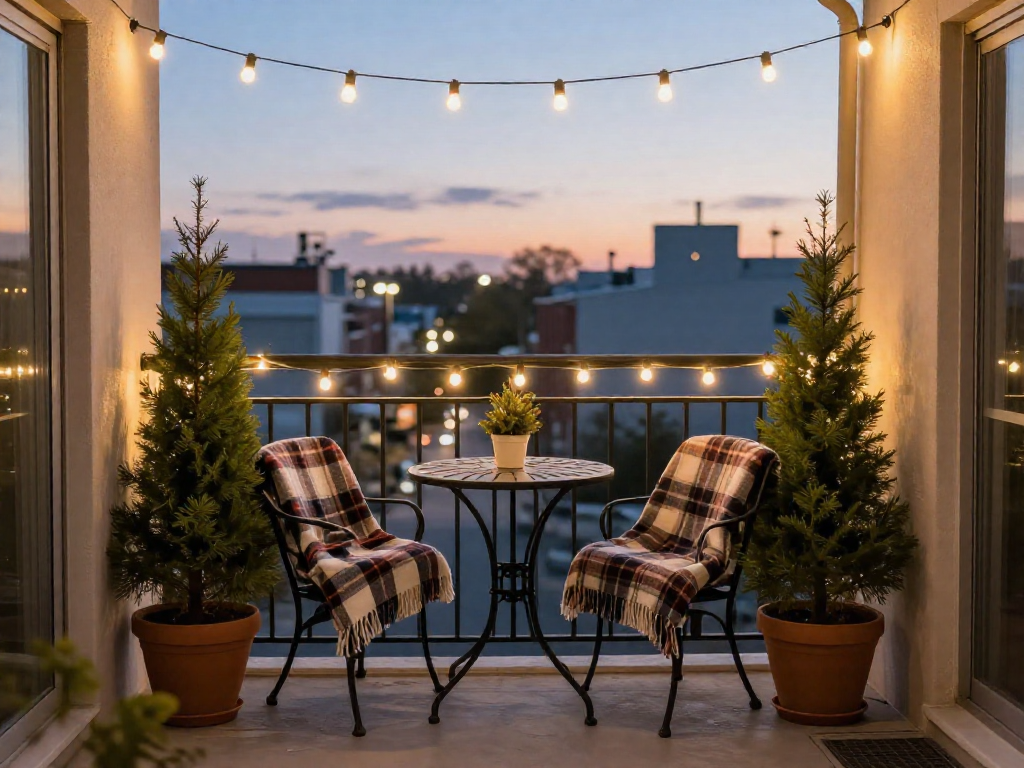
Encourage yourself to linger outdoors by crafting a cozy nook. Cluster pots around a weatherproof bench or a small bistro chair, then drape a water-resistant blanket over the seat. Even on gray days, this spot will beckon you to bundle up with a warm drink.
Color choice is especially powerful when skies are overcast. Silver-leaved plants like dusty miller, white blooms from hellebores, and bright red winterberry stems leap forward against a muted backdrop. For an extra pop, tuck in a few ornamental kales in shades of purple and cream—they thrive in cold and look stunning rimmed with frost.
Decorative Accents to Complement Plants
While your cold-hardy plants form the living heart of your winter balcony, it’s the thoughtful accents that turn a simple container garden into a cozy, Pinterest-worthy retreat. Layering in non-plant elements adds warmth, texture, and personality—perfect for the colder months when you’re craving an inviting outdoor nook.
Start with soft lighting to create a magical evening atmosphere. String outdoor-rated fairy lights along railings or weave them through trellises and tall branches. For a more intimate glow, tuck LED candles into weatherproof lanterns and place them on side tables or sheltered corners. The gentle sparkle against dark winter skies instantly makes your space feel welcoming.
Introduce height and sculptural interest with natural branches. Birch logs, curly willow, or red and yellow dogwood stems look stunning in tall containers. Not only do they add vertical drama, but they also hold up beautifully through frost and snow, giving your display structure even when plant growth slows.
Wreaths bring a festive touch to doors, walls, or balcony railings. Opt for ones made of dried hydrangea, eucalyptus, pinecones, or preserved herbs—they last all season and harmonize with the natural aesthetic of your plantings. Hang them at different heights to guide the eye and create a sense of abundance.
Don’t overlook textiles. Weather-resistant outdoor cushions and rugs in deep reds, plaids, or faux fur add comfort and warmth underfoot and on seating. They make the balcony feel like an extension of your indoor living room, inviting you to bundle up with a hot drink and enjoy the crisp air.
Finally, sprinkle seasonal ornaments directly into your planters. Tuck pinecones, dried orange slices, and cinnamon sticks around the base of your plants for a subtle, fragrant accent. These small touches feel curated and personal without overpowering the greenery, and they’re easy to swap out as the season progresses.
Winter Container Care and Protection Tips
Keeping your cold-hardy plants happy through winter comes down to how you care for their containers. The right pot and a few simple habits can make all the difference when temperatures drop.
Start with your choice of container. Porous materials like terracotta absorb moisture and are prone to cracking in freezing weather. Instead, go for fiberglass, metal, or sealed wood planters that can handle the cold without damage. If you love the look of terracotta, consider using it as a decorative outer sleeve with a plastic pot inside.
Roots need extra insulation when they’re above ground. Wrap pots in bubble wrap, burlap, or an old blanket to shield them from icy winds. Better yet, group your containers together against a wall or railing; this creates a warmer microclimate and cuts down on exposure. Just make sure the grouping doesn’t block drainage.
Watering can be tricky in winter. Plants need far less moisture when they’re dormant, but the soil shouldn’t go bone dry. Check weekly by sticking your finger an inch into the soil—if it feels dry, give a modest drink, but never so much that water sits in the saucer. Frozen, waterlogged roots are a fast track to rot.
To prevent that soggy scenario, elevate every pot on feet, bricks, or wooden blocks. This keeps drainage holes clear and stops saucers from freezing solid against the base. After a rain or snowmelt, tip out any accumulated water so it doesn’t turn to ice.
Hold off entirely on fertilizer until spring. Your plants are resting, and pushing new growth now would only produce tender shoots that the cold will quickly kill. Similarly, prune with restraint—remove only dead, diseased, or broken branches. Heavy pruning can stimulate unwanted new growth right when the plant should be conserving energy.
With these small acts of winter stewardship, your balcony containers will stand strong through the season, ready to burst back to life when warmer days return.
FAQ
Can I leave my plants outside all winter in containers?
It depends on the plant's cold hardiness and your local climate. In containers, roots are more exposed to freezing temperatures than in the ground, so you may need to choose plants hardy to at least one zone colder than yours. Consider wrapping pots with insulation or grouping them together for added protection.
What are the hardiest plants for a balcony in Zone 5?
For Zone 5 balconies, look for extremely cold-tolerant perennials like wintergreen boxwood, dwarf Alberta spruce, heuchera, and sedum. Many ornamental grasses and evergreens can also handle the cold. Make sure to select varieties rated for Zone 4 or lower to survive container life.
How do I prevent pots from cracking in freezing temperatures?
Use frost-resistant containers made of materials like thick plastic, fiberglass, or wood, and avoid thin terracotta that absorbs water. Ensure pots have adequate drainage holes and elevate them slightly off the balcony floor using pot feet or bricks to prevent water from pooling and freezing underneath.
Do I need to water plants in winter?
Yes, but sparingly. Water only when the soil is dry and temperatures are above freezing, typically every few weeks. Overwatering can cause ice to form around roots, so check moisture levels before watering and stop if a freeze is expected within 24 hours.
Can I grow vegetables on a winter balcony?
In Zone 5, most vegetables cannot survive winter outdoors, but you might try extremely cold-hardy greens like kale or spinach with added protection such as a cold frame or cloche. For reliable harvests, consider compact indoor setups with grow lights for herbs or microgreens during the coldest months.
How do I protect plants from strong winter winds on a high-rise balcony?
Create a windbreak using breathable burlap or a specialized garden screen, ensuring it doesn’t block all light. Group pots together close to a wall for natural shelter, and secure taller plants with stakes to prevent tipping. Even a temporary barrier can significantly reduce wind chill damage.