How Often Should You Sharpen a Home Kitchen Gyuto? A Realistic Schedule
Nobody wants to hear this, but "every two weeks" is nonsense. Your home kitchen gyuto doesn't care about Tuesdays. Some weeks you butcher three pork shoulders. Some weeks you only dice an onion. That's the thing about a realistic sharpening schedule—it has to match your actual life, not some influencer's ritual. If you're cooking dinner four nights a week, you're probably looking at every 2-3 months on proper stones. Maybe longer. Harder steels like SG2 or Aogami Super hold on for ages. Softer stainless? You'll be touching up sooner. But here's the thing: most home cooks are over-sharpening and barely cooking.
The Tomato Test Doesn't Lie
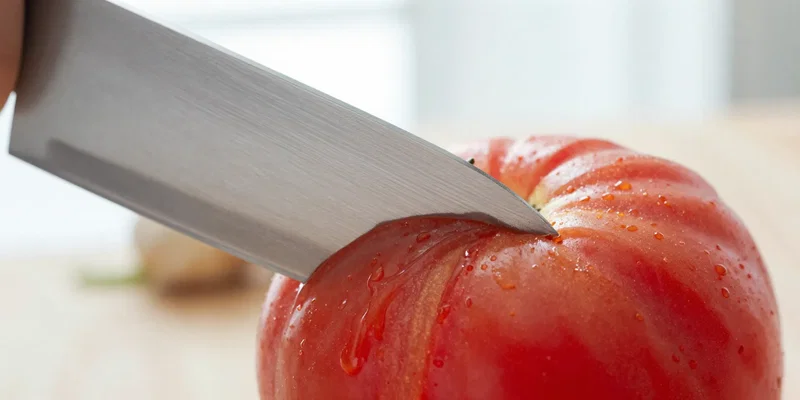
Forget magnification loupes. Grab a tomato. If your gyuto squishes the skin before it bites, your edge is toast. That's your troubleshooting done. No fancy equipment needed. A sharp knife should fall through a ripe tomato under its own weight. Period. Same goes for paper slicing. But don't freak out if it fails slightly. A home kitchen gyuto doesn't need to be hair-popping sharp to make dinner. It just needs to work. Actually, chasing mirror polishes every week is a fast track to wearing down your blade for no reason.
Your Cutting Board is Sabotaging Your Edge
Glass boards. Marble counters. Those terrible bamboo boards that feel like sandpaper. Every time you chop on garbage surfaces, you're folding the edge over. Knife maintenance isn't just about stones—it's about not ruining the edge five minutes after you finish. Get a soft rubber board or end-grain maple. Your sharpening schedule will instantly double in length. Trust me. I learned this the hard way after wondering why my brand-new gyuto felt dull after one week. The board was eating it alive.
Stropping is Cheating, So Cheat Often
Here's the thing. You don't need a full sharpening session every time your edge feels lazy. A leather strop with some compound realigns that microscopic wire edge in thirty seconds. Doing this once a week keeps your home kitchen gyuto in the "scary sharp" zone for months. It's the difference between people who sharpen four times a year and people who sharpen four times a month. Honing rods? Fine for German steel. Japanese steel is too hard and too brittle. You'll chip it. Strop instead. Lazy. Effective. Smart.
When to Actually Break Out the Stones
You'll know. The knife starts skating on onions. Carrots crack instead of slice. And stropping doesn't bring it back. That's when you commit to a real session—starting at 1000 grit, maybe finishing at 3000 or 5000 for a gyuto. Skip the 400-grit unless you've got chips or serious damage. How often sharpen at this level? For a normal home cook, maybe three to four times a year. Four if you're obsessed. Twice if you cook every single day. But don't sharpen on a schedule. Sharpen when the knife tells you to. Anything else is just vanity.